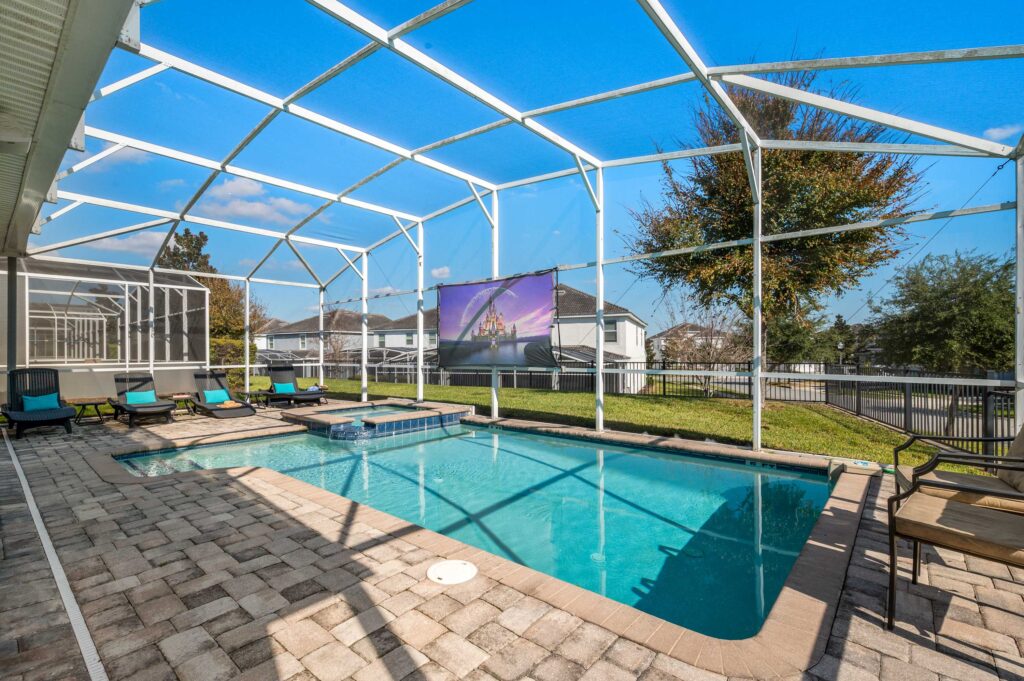
Short-term rentals have become one of the most popular investment strategies in Central Florida, especially in areas near Walt Disney World. Many homeowners and investors considering buying property in the area ask the same question:
Is Airbnb legal in Kissimmee, Florida?
The short answer is yes — Airbnb and other short-term rental platforms are generally legal in Kissimmee. However, operating a vacation rental requires compliance with several layers of regulations, including state licensing, county requirements, zoning rules, and sometimes homeowners association restrictions.
Understanding these rules is essential before purchasing or operating a short-term rental property.
Understanding What Counts as an Airbnb or Short-Term Rental
In Florida, a short-term rental typically refers to a property rented for periods of less than 30 days. These rentals are commonly marketed through platforms such as Airbnb and Vrbo.
Short-term rentals can include:
-
single-family homes
-
townhomes
-
vacation villas
-
condominiums
If a property is rented multiple times per year for stays shorter than 30 days, it usually falls under Florida’s vacation rental regulations.
Florida State Licensing Requirements
One of the most important requirements for operating an Airbnb in Kissimmee is obtaining a license from the Florida Department of Business and Professional Regulation (DBPR).
Most vacation rental operators must register their property as a licensed vacation rental with the state.
There are two primary license categories:
-
Vacation Rental Dwelling (for houses and townhomes)
-
Vacation Rental Condominium (for condos)
This license allows the property owner to legally operate short-term rentals and ensures the property meets safety and regulatory standards.
Osceola County Short-Term Rental Regulations
Kissimmee is located within Osceola County, which has its own rules governing vacation rentals.
Property owners must typically comply with several local requirements, which may include:
-
registering the vacation rental with the county
-
maintaining local emergency contact information
-
complying with occupancy limits
-
following parking regulations
-
meeting safety requirements such as smoke detectors and fire extinguishers
These regulations are designed to ensure that vacation rentals operate responsibly within residential communities.
Because local rules can change, property owners should always verify current Osceola County requirements before operating a short-term rental.
Zoning Rules: Where Airbnb Is Allowed
One of the most important factors determining whether Airbnb is legal for a specific property is zoning.
In the Kissimmee and Disney area, many vacation rentals operate within resort-style communities specifically designed for short-term rentals.
Examples include communities such as:
-
Windsor Hills
-
Reunion Resort
-
Solara Resort
-
Storey Lake
-
ChampionsGate
These communities are typically built with vacation rental activity in mind and often include amenities like water parks, clubhouses, and gated security.
However, not every residential neighborhood allows short-term rentals. Some residential zones may restrict or prohibit rentals shorter than 30 days.
Before purchasing a property for Airbnb, investors should always confirm that short-term rentals are permitted in that community.
HOA Rules Can Override Local Permissions
Even if state and county regulations allow short-term rentals, homeowners associations (HOAs) may still prohibit Airbnb activity.
Many residential communities in Central Florida restrict vacation rentals to preserve long-term residential environments.
For this reason, reviewing HOA bylaws and community rules is an essential step before purchasing an investment property intended for short-term rental use.
Failure to verify HOA restrictions is one of the most common mistakes new Airbnb investors make.
Taxes on Airbnb Rentals in Kissimmee
Operating a short-term rental also requires collecting and paying certain taxes.
In most cases, vacation rental stays in Kissimmee are subject to:
-
Florida sales tax
-
Osceola County tourist development tax (often called a “bed tax”)
-
possible local surtaxes
Some booking platforms automatically collect certain taxes, but property owners should confirm which taxes are handled by the platform and which must be filed independently.
Safety and Compliance Requirements
Vacation rentals must also meet basic safety standards.
Common requirements include:
-
smoke detectors in sleeping areas
-
fire extinguishers
-
emergency exit plans
-
compliance with Florida building and safety codes
These requirements help ensure guest safety and maintain compliance with state lodging regulations.
So, Is Airbnb Legal in Kissimmee?
Yes — Airbnb is generally legal in Kissimmee and the surrounding Disney area.
However, operating a successful vacation rental requires compliance with several factors:
-
Florida state licensing
-
Osceola County regulations
-
zoning permissions
-
HOA rules
-
tax obligations
For many property owners, navigating these requirements can become complex, especially when managing bookings, maintenance, and guest communication.
Because of this, many homeowners choose to work with professional Airbnb property management companies in Kissimmee that specialize in vacation rental compliance and operations.
If you’re considering buying a vacation rental property, you can read our complete guide to Airbnb investment in Kissimmee.